
RAINSCREEN SYSTEMS · Vancouver BC
Rainscreen Systems
Nixon builds ventilated, drained, pressure-equalized rainscreen walls — the assembly the City of Vancouver requires for most buildings. Furring, drainage cavity, and back-ventilation behind your cladding so the wall sheds water and dries out.
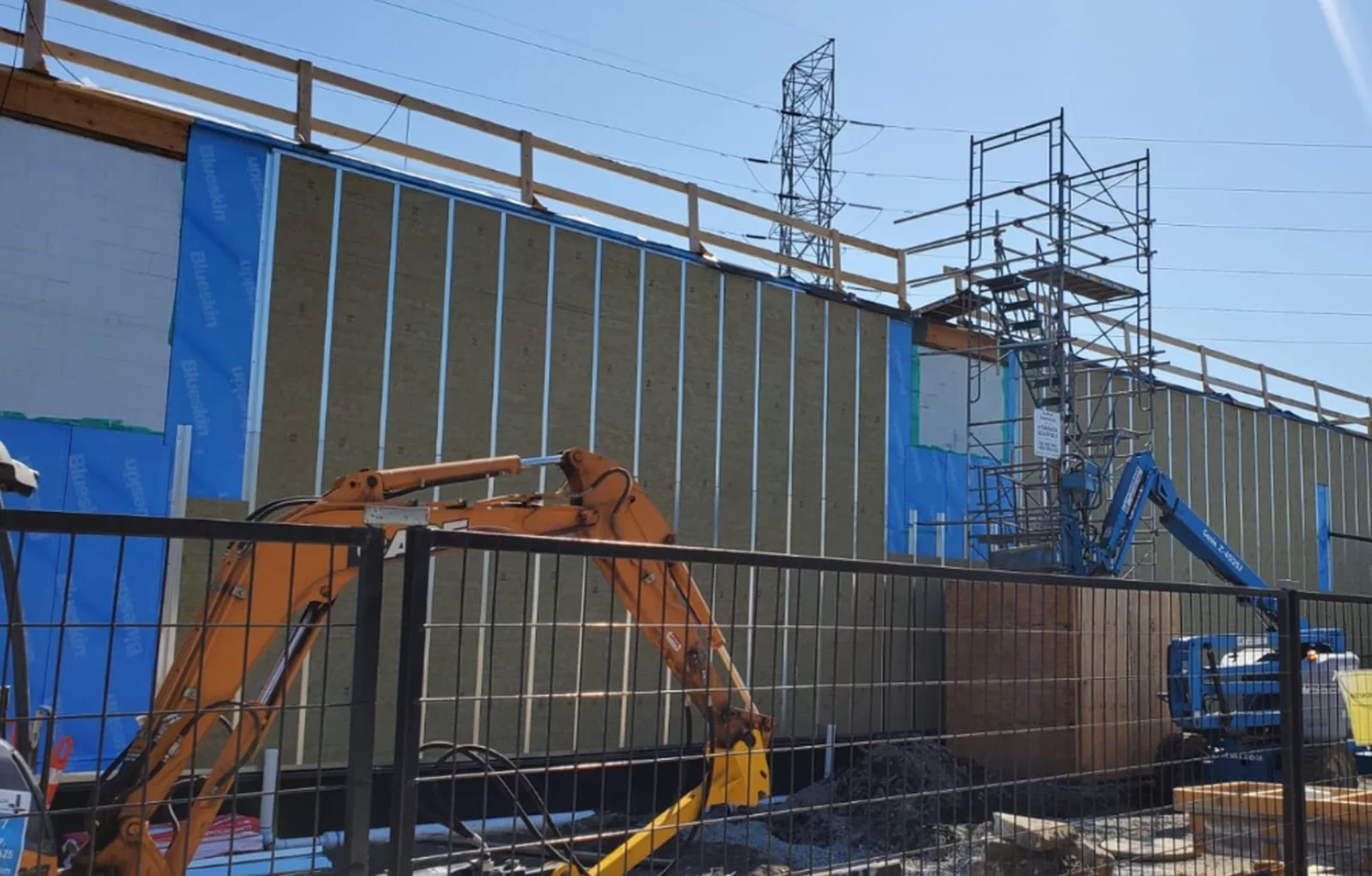
A rainscreen is a cladding assembly with a drained, ventilated cavity between the finish and the weather barrier. After the leaky-condo crisis, the City of Vancouver made rainscreen construction the standard for good reason — it lets the wall drain and dry instead of trapping moisture. Nixon builds rainscreen walls on new construction, re-clads, and envelope remediation.
How a Rainscreen Works
Drainage
Any water that gets past the cladding runs down the cavity and exits at the base flashing — never reaching the structure.
Ventilation
Air enters at the bottom and exits at the top, drying the cavity and the back of the cladding after every storm.
Pressure Equalization
The vented cavity balances air pressure so wind cannot drive rain through joints in the cladding.
Capillary Break
The air gap breaks the capillary path, stopping moisture from wicking back into the wall assembly.
The Rainscreen Assembly
Weather-Resistive Barrier
A continuous, fully lapped air/water barrier over the sheathing forms the drainage plane behind the cavity.
Furring & Cavity
Vertical (and where needed, cross) furring creates the drained, ventilated cavity — typically 19mm or as specified by the consultant.
Cavity Closures & Flashing
Vented base trims, insect screen, and head/sill flashing keep the cavity open to air while excluding pests and bulk water.
Cladding
Fiber cement, metal, ACM, or panel cladding is fastened to the furring — never directly to the barrier — completing the rainscreen.
Rainscreen requirements per the BC Building Code and City of Vancouver building bylaw.
Build a Wall That Drains & Dries
Code-compliant rainscreen systems for new construction, re-clads, and remediation across Greater Vancouver.